Is Your House Ready for Winter? 15 Things Every Homeowner Should Check Before the First Freeze
Winter can be tough on a house. Freezing temperatures, snow, ice, heavy rain, and strong winds can turn small maintenance problems into expensive repairs.
A frozen pipe can burst. A clogged gutter can cause water damage. A poorly maintained heating system can fail on the coldest night of the year.
The good news? Most winter problems are preventable.
You don't need to be a professional contractor to prepare your home. Many tasks take less than an hour, and a few simple checks can help you avoid thousands of dollars in potential damage.
Here's a practical winter home maintenance checklist, including what to inspect, what you can do yourself, when to call a professional, and how much common services may cost.
1. Inspect Your Roof Before Snow Arrives
Your roof is your home's first line of defense against winter weather.
Check for missing, cracked, or curling shingles, damaged flashing around chimneys and vents, and signs of leaks in your attic.
If you live in an area with heavy snowfall, pay attention to roof drainage and the possibility of ice dams. These occur when melted snow refreezes near the roof edge, potentially forcing water beneath roofing materials.
DIY: Inspect the roof from the ground using binoculars.
Hire a professional: If you notice damaged shingles, leaks, or questionable flashing. Avoid walking on steep, wet, icy, or snow-covered roofs.
Typical professional roof inspection: approximately $150–$400.
2. Clean Gutters and Downspouts
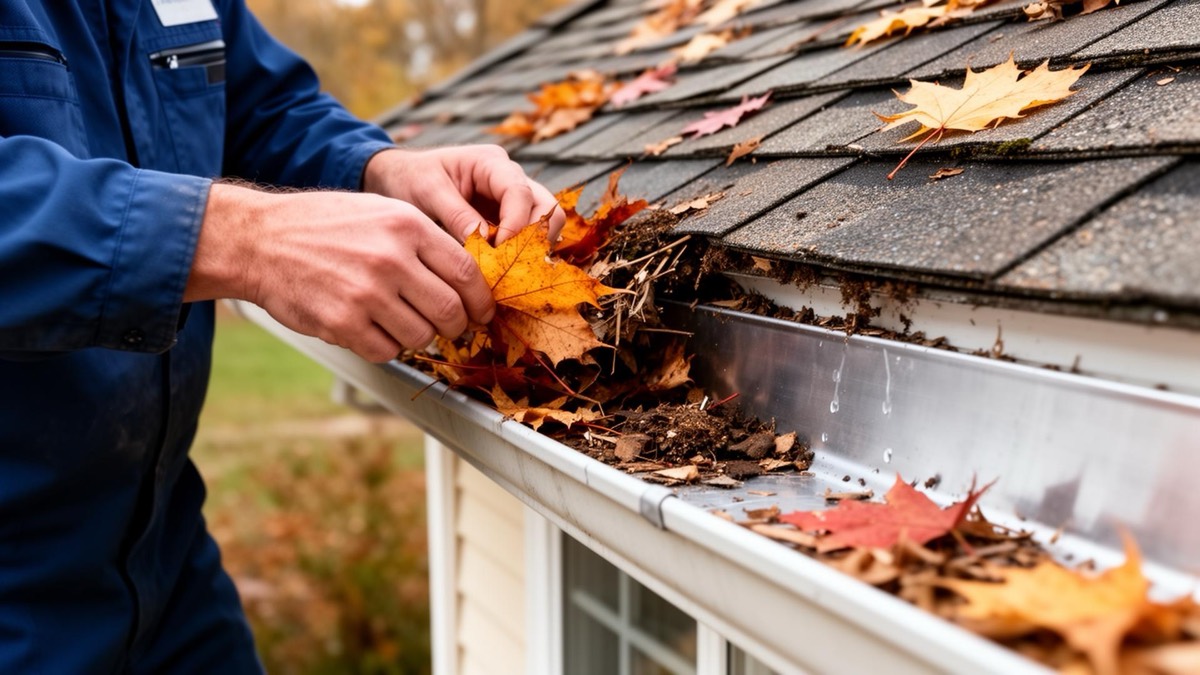
Leaves, pine needles, and debris can block gutters and prevent melting snow or rainwater from draining away.
When water overflows or freezes, it may damage siding, fascia, foundations, and landscaping.
Make sure your gutters are clear, firmly attached, and draining away from your home's foundation.
DIY: Clean safely accessible gutters and flush downspouts with water.
Hire a professional: For high roofs, steep terrain, or difficult access.
Typical gutter cleaning: $100–$300, with taller or complex homes costing more.
3. Service Your Heating System
Your furnace or heat pump may work perfectly in October but struggle during the first freezing night.
Before winter:
- Replace or clean HVAC filters.
- Test your thermostat in heating mode.
- Check that supply and return vents are unobstructed.
- Schedule maintenance for your furnace, heat pump, or boiler.
- Have combustion equipment and venting inspected as appropriate.
For gas furnaces, a professional should check safety controls, combustion, and venting.
Typical HVAC maintenance visit: $80–$200, depending on the system and region.
Tip: Schedule service in early fall, before HVAC contractors enter their busiest season.
4. Protect Outdoor Faucets and Water Pipes
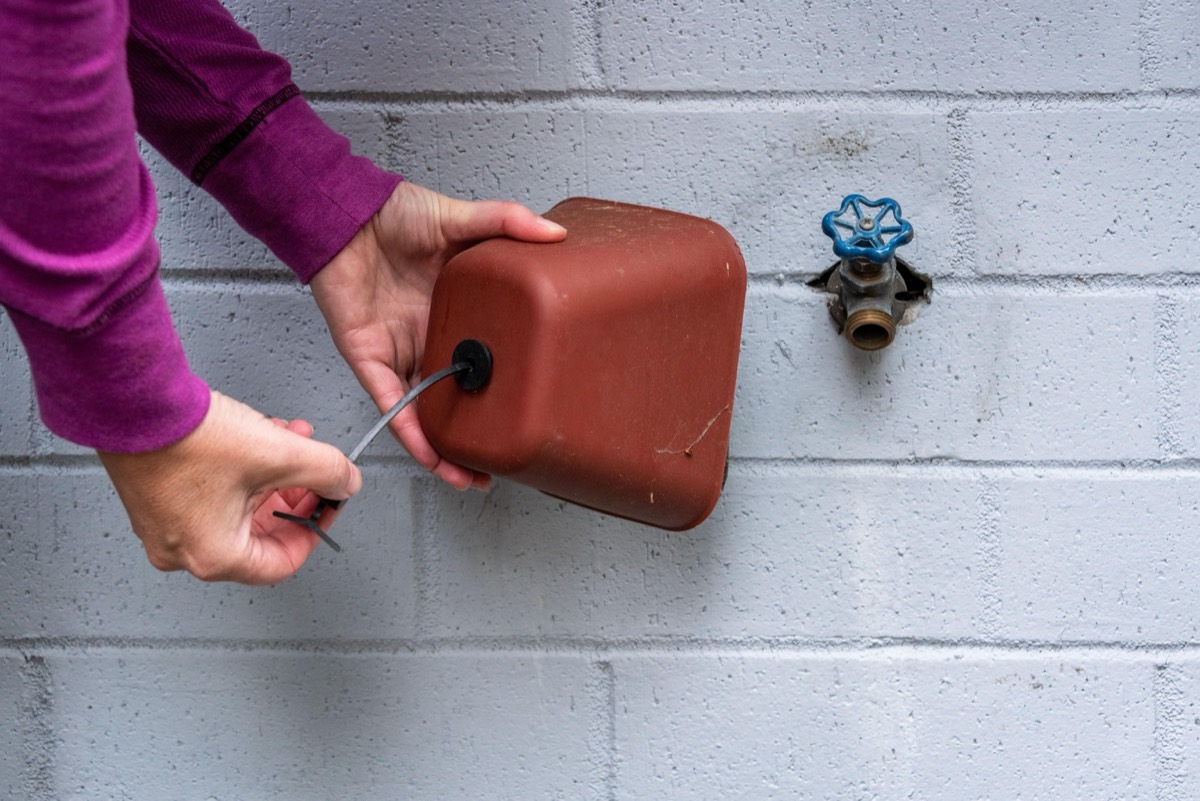
Frozen water expands and can rupture pipes, creating expensive water damage when temperatures rise.
Disconnect garden hoses, drain outdoor faucets where applicable, and shut off and drain dedicated exterior water lines if your plumbing supports it.
If you have an irrigation system, arrange proper winterization before freezing temperatures arrive.
Also inspect exposed pipes in garages, crawl spaces, and other unheated areas. Add appropriate insulation and address cold-air leaks.
Important: A faucet cover alone may not protect a vulnerable pipe during severe freezing conditions.
Typical irrigation blowout: $60–$150 for many residential systems, depending on zones and local pricing.
5. Check Windows and Exterior Doors
Cold air entering through gaps around doors and windows makes heating systems work harder.
Inspect weatherstripping, caulking, and door sweeps. Look for drafts, moisture intrusion, and damaged seals.
Use removable weatherstripping or suitable exterior-grade sealant where needed. Don't block designed drainage openings in window frames.
DIY cost: Often $20–$100 for basic materials.
6. Inspect Your Attic Insulation and Ventilation
Poor attic insulation can lead to unnecessary heat loss and may contribute to ice dams in snowy climates.
Look for uneven insulation, exposed ceiling areas, signs of moisture, and blocked attic vents.
Air sealing around attic penetrations is often as important as adding insulation. However, recessed lights, flues, and other heat-producing components require proper clearances.
If you notice mold, significant moisture, or damaged insulation, consider a professional evaluation before adding more material.
7. Test Smoke and Carbon Monoxide Alarms
Heating season is an especially important time to check your safety devices.
Test all smoke and carbon monoxide alarms, replace batteries where applicable, and check each device's expiration or replacement date.
Carbon monoxide is an invisible, odorless gas that can be produced by malfunctioning fuel-burning appliances.
Never use outdoor grills, camping stoves, or generators indoors or in attached garages.
If a carbon monoxide alarm sounds, leave the building and contact emergency services.
8. Inspect Your Fireplace and Chimney
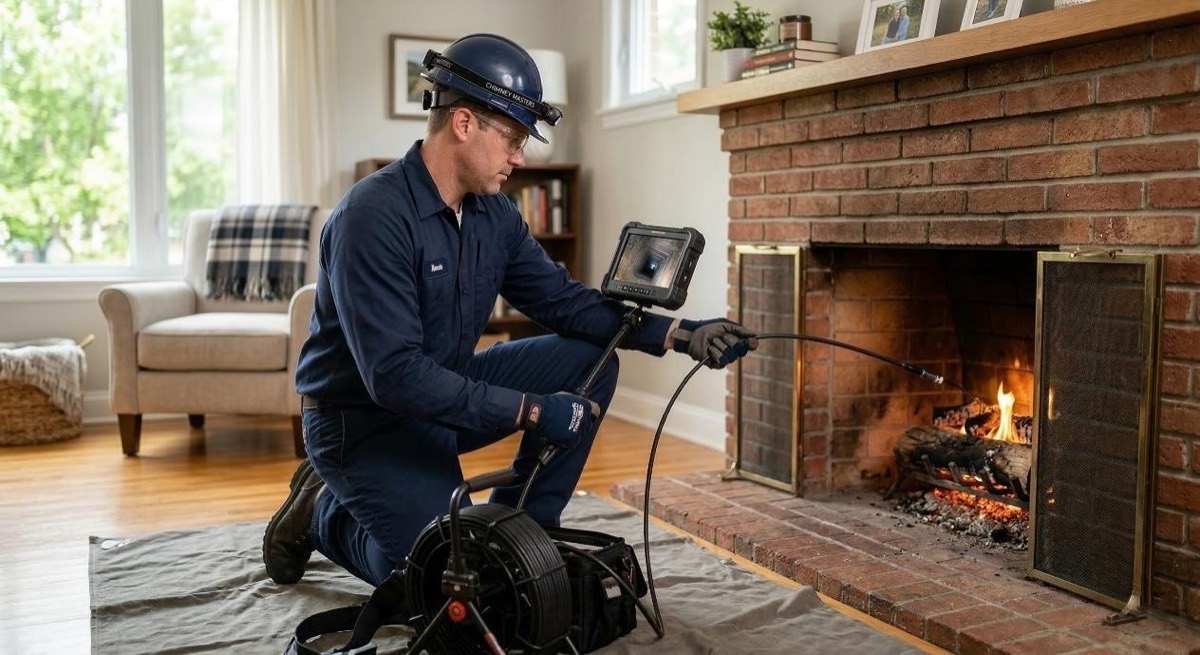
If you use a wood-burning fireplace or stove, have the chimney inspected and cleaned when needed.
Creosote buildup, blockages, and damaged chimney components can create serious fire and carbon monoxide hazards.
Check that the damper works, the fireplace screen or doors are in good condition, and combustible materials are kept at a safe distance.
Typical chimney inspection and cleaning: approximately $150–$400, depending on the system and required work.
9. Winterize Sprinklers and Outdoor Irrigation
Underground sprinkler lines, backflow assemblies, and irrigation valves can be damaged by freezing water.
In colder climates, a professional may use compressed air to remove water from irrigation lines. Incorrect pressure or technique can damage the system.
Shut off the irrigation supply according to your system's instructions and protect exposed backflow equipment.
Schedule this before the first sustained freeze.
10. Inspect Trees Near Your Home
Snow, ice, and winter winds can bring down weakened branches.
Walk around your property and look for dead limbs, cracked branches, trees leaning unexpectedly, and branches close to your roof.
Have hazardous trees evaluated by a qualified arborist. Never attempt to trim branches near power lines yourself.
11. Check Your Foundation and Drainage
Rain and melting snow should flow away from your home, not toward it.
Look for soil erosion, low spots collecting water, blocked drainage channels, and cracks that may allow water intrusion.
Confirm downspouts discharge away from the foundation and that landscaping does not direct runoff toward the house.
For homes on hillsides, inspect retaining walls and drainage outlets for bulging, new cracks, blocked drains, or unusual movement.
12. Prepare Your Garage
Garages often contain vulnerable plumbing, water heaters, tools, and stored materials.
Inspect garage door weather seals, test the automatic door's safety reversal features, and check for cold drafts.
If plumbing runs through the garage, make sure it is adequately protected from freezing.
Keep combustible storage away from furnaces, water heaters, and other ignition sources.
13. Protect Outdoor Equipment and Furniture
Drain and store garden hoses, pressure washers, and equipment that could be damaged by freezing water.
Clean and cover outdoor furniture as recommended by its manufacturer. Store cushions in a dry location.
If you own an outdoor sauna, hot tub, or pool, follow the manufacturer's winter operating or shutdown instructions.
For an outdoor sauna, inspect the roof, exterior wood finish, drainage, heater connections, and weather seals. Keep required ventilation unobstructed.
14. Prepare for Snow and Power Outages
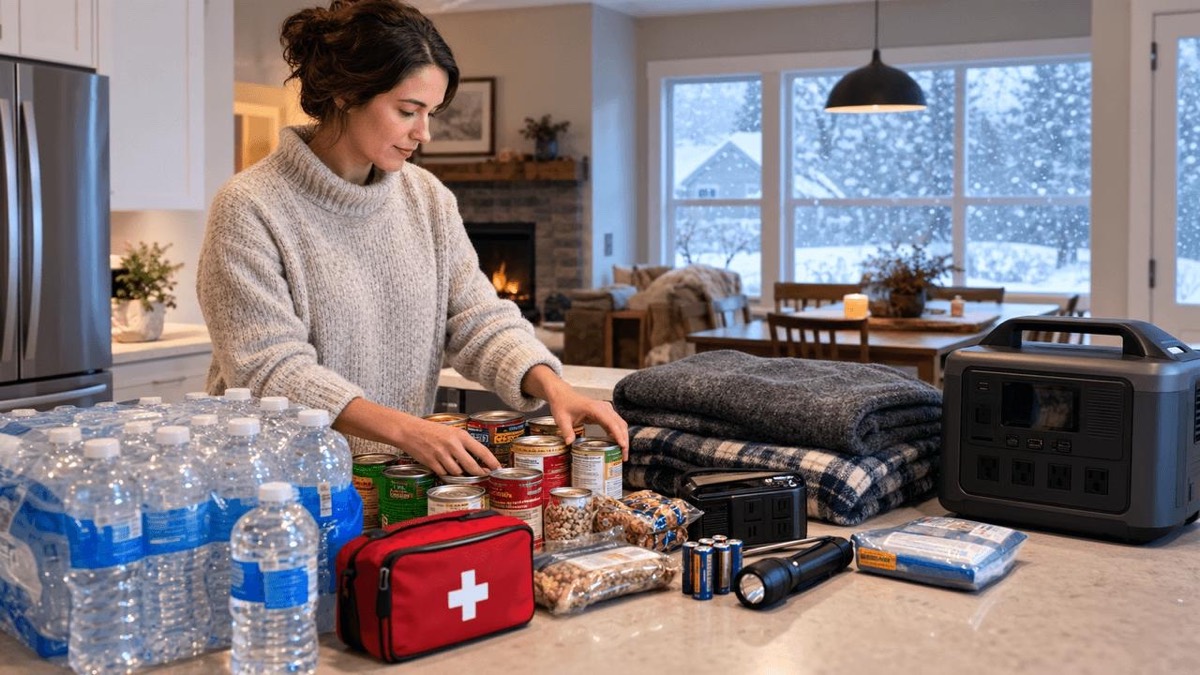
Don't wait until the first major storm to discover that your snowblower won't start.
Check snow shovels, snowblower maintenance, appropriate ice-melting products, flashlights, batteries, and emergency supplies.
Keep a supply of drinking water, nonperishable food, warm clothing, and essential medications.
If you use a portable generator, operate it outdoors, well away from doors, windows, and vents, following the manufacturer's clearance instructions. Never connect it to home wiring without an approved transfer mechanism installed correctly.
15. Review Your Home Insurance and Emergency Contacts
Winter preparation isn't only about physical maintenance.
Review your homeowner's insurance coverage and deductibles. Understand how your policy handles frozen pipes, water damage, falling trees, and roof damage.
Keep contact information for a plumber, HVAC technician, roofer, electrician, and emergency restoration company accessible.
Knowing whom to call can save valuable time during an emergency.
How Much Does Winter Home Preparation Cost?
These are broad U.S. planning estimates, not verified local quotes. Prices vary with home size, accessibility, and the work required.
| Service | Typical estimated cost |
|---|---|
| Roof inspection | $150–$400 |
| Gutter cleaning | $100–$300 |
| HVAC tune-up | $80–$200 |
| Sprinkler winterization | $60–$150 |
| Chimney inspection/cleaning | $150–$400 |
| Basic weatherstripping materials | $20–$100 |
ILLUSTRATIVE BUDGET: $560–$1,550
Combined cost of the six items above, if all are needed. Excludes repairs, insulation upgrades, tree work, and other optional services.
You probably won't need every service each year. The goal is to identify problems early and spend money where it makes a meaningful difference.
Your Printable Winter Home Checklist
- ☐ Inspect Your Roof Before Snow Arrives
- ☐ Clean Gutters and Downspouts
- ☐ Service Your Heating System
- ☐ Protect Outdoor Faucets and Water Pipes
- ☐ Check Windows and Exterior Doors
- ☐ Inspect Your Attic Insulation and Ventilation
- ☐ Test Smoke and Carbon Monoxide Alarms
- ☐ Inspect Your Fireplace and Chimney
- ☐ Winterize Sprinklers and Outdoor Irrigation
- ☐ Inspect Trees Near Your Home
- ☐ Check Your Foundation and Drainage
- ☐ Prepare Your Garage
- ☐ Protect Outdoor Equipment and Furniture
- ☐ Prepare for Snow and Power Outages
- ☐ Review Your Home Insurance and Emergency Contacts
When Should You Start Winterizing Your House?
The best time is usually early to mid-fall, before the first sustained freezing weather.
For homeowners in places like Reno, Nevada, Lake Tahoe, or other high-elevation areas, some winter preparation should begin as early as September or October. Snowfall and freezing temperatures can arrive earlier than expected.
In warmer climates, homeowners may focus more on rainwater drainage, storm preparation, and heating maintenance than on snow removal.
Keep a Record of Your Home Maintenance
One of the most overlooked parts of homeownership is keeping track of what has already been done.
When was your furnace last serviced? Which company cleaned your chimney? Is your roof still under warranty? What did you pay for gutter cleaning last year?
Receipts, contractor contact information, inspection reports, warranties, and before-and-after photos often end up scattered across emails, folders, and text messages.
A home maintenance record makes it easier to plan future work, compare costs, avoid duplicate services, and provide useful information when selling your property.
That's one of the ideas behind Profylist: keeping your home's projects, professionals, quotes, communications, and maintenance history together in one place.
Your home is probably one of your most valuable assets. Preparing it for winter isn't just another seasonal chore. It's a practical way to protect your investment, reduce unexpected expenses, and keep your family comfortable throughout the colder months.
Start with the simple tasks you can handle yourself. For anything involving roofs, gas appliances, electrical systems, or hazardous trees, hire a qualified professional.
Connect with local contractors. Your contact info stays private until you choose.